Home/Jewelry photography
Jewelry photography, without a model
The shot that sells a ring is the shot of it on a hand. Booking that for every new piece is what stops most jewelers from ever having it.
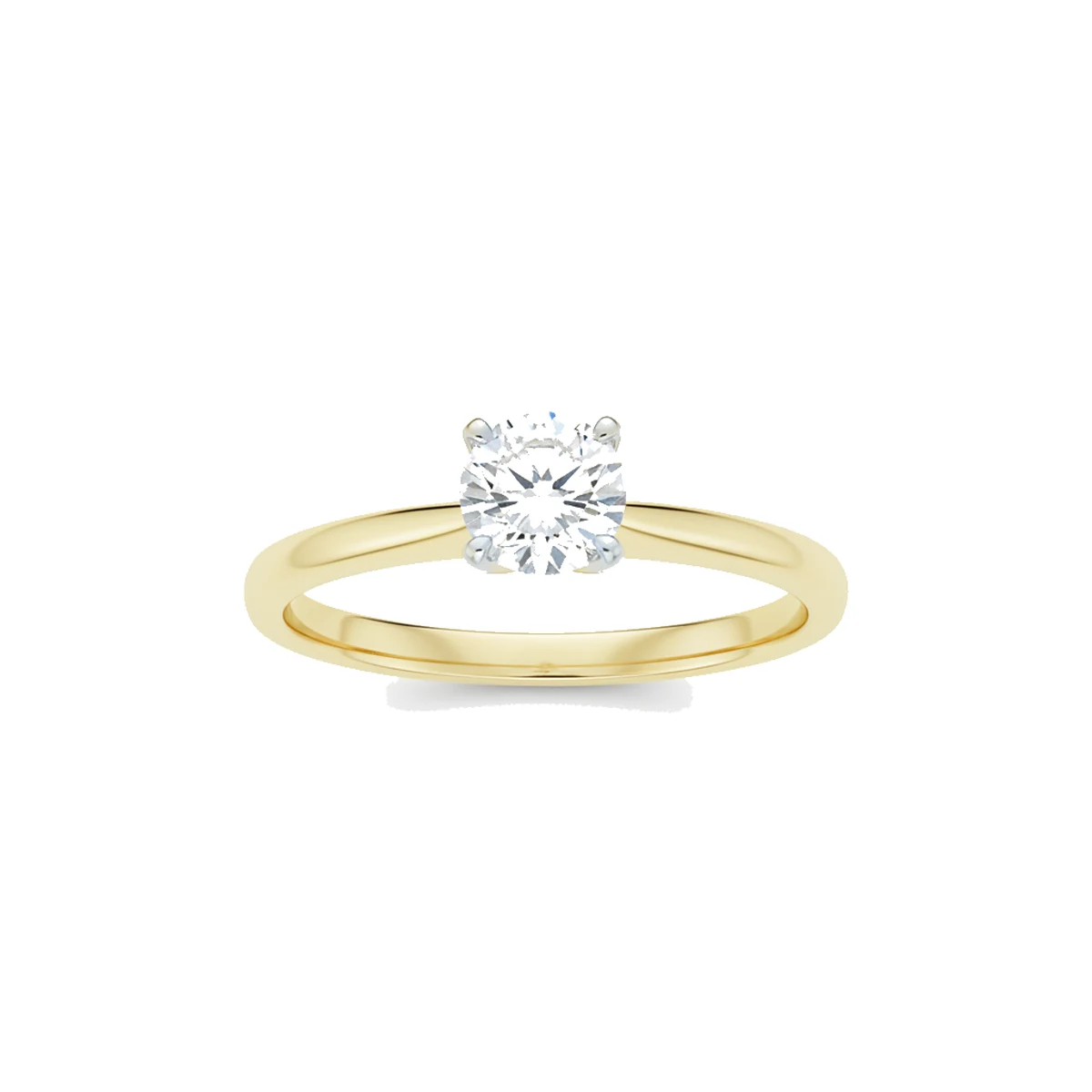
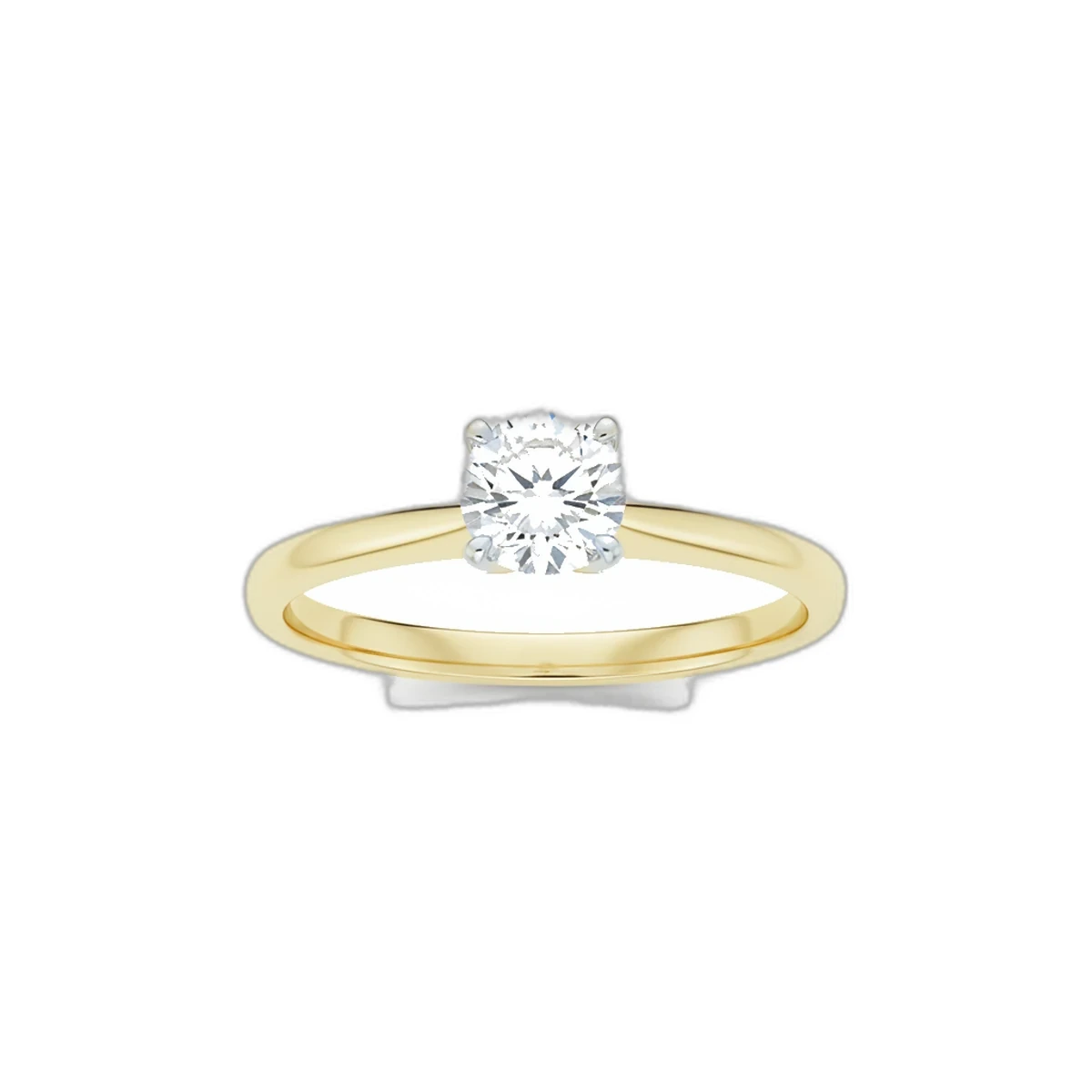
 Your photo
Shotina
↔
Your photo
Shotina
↔
Small pieces, expensive photos
Jewelry is the category where photography costs the most per item and matters the most, because there is nothing else on the page to look at.
A hand model is a day rate
Booking hands, doing nails, lighting the set and clearing the release form costs more than most single pieces are worth.
Macro needs real gear
A sharp shot of a four millimetre stone means a macro lens, a rail and patience. A phone gives you a blurry sparkle.
Scale is invisible
On white, an 8mm pendant and a 20mm pendant look identical, and the size chart alone does not stop the return.
New pieces arrive weekly
By the time the shoot is edited, half the collection has sold and three new pieces are sitting in the case unphotographed.
What one piece turns into
Compositions written for jewelry, so a ring gets a hand and an earring gets an ear.
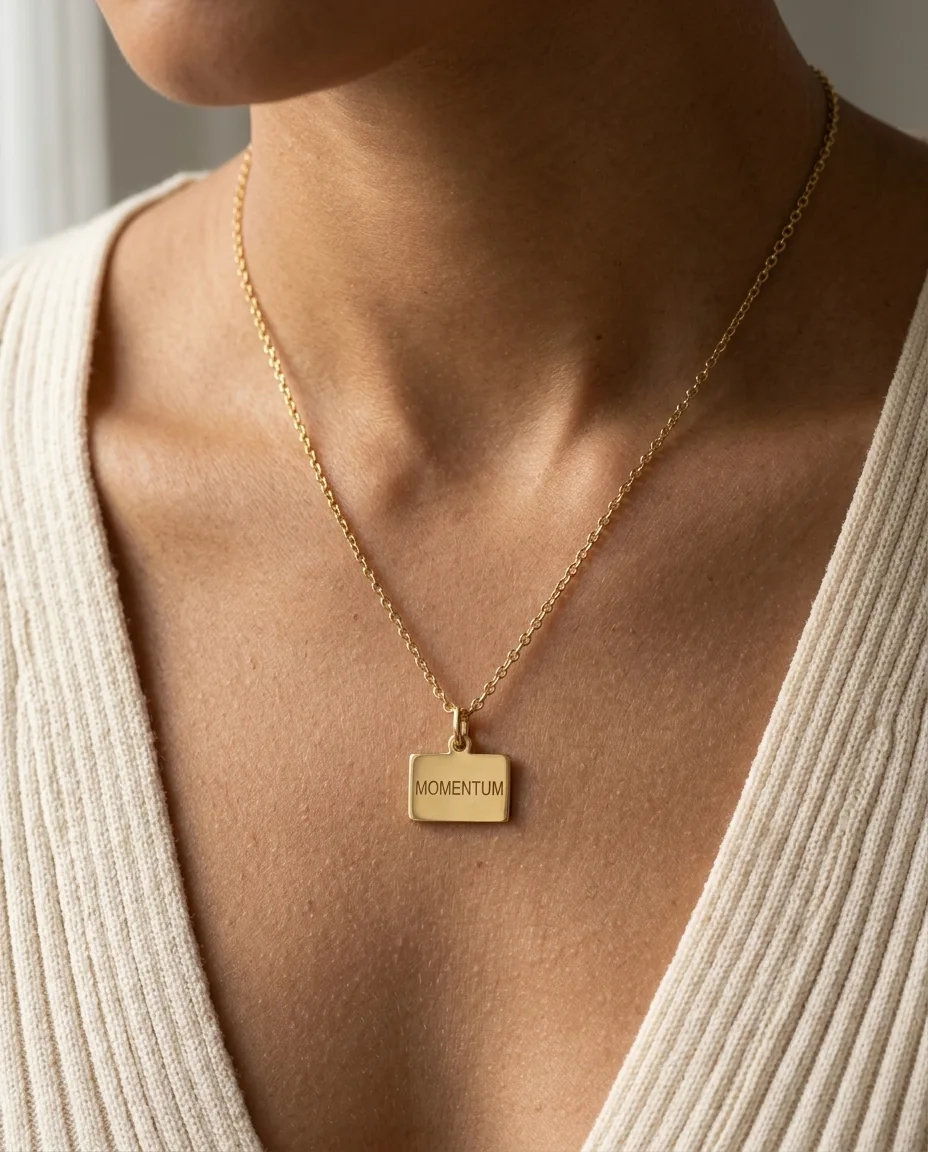
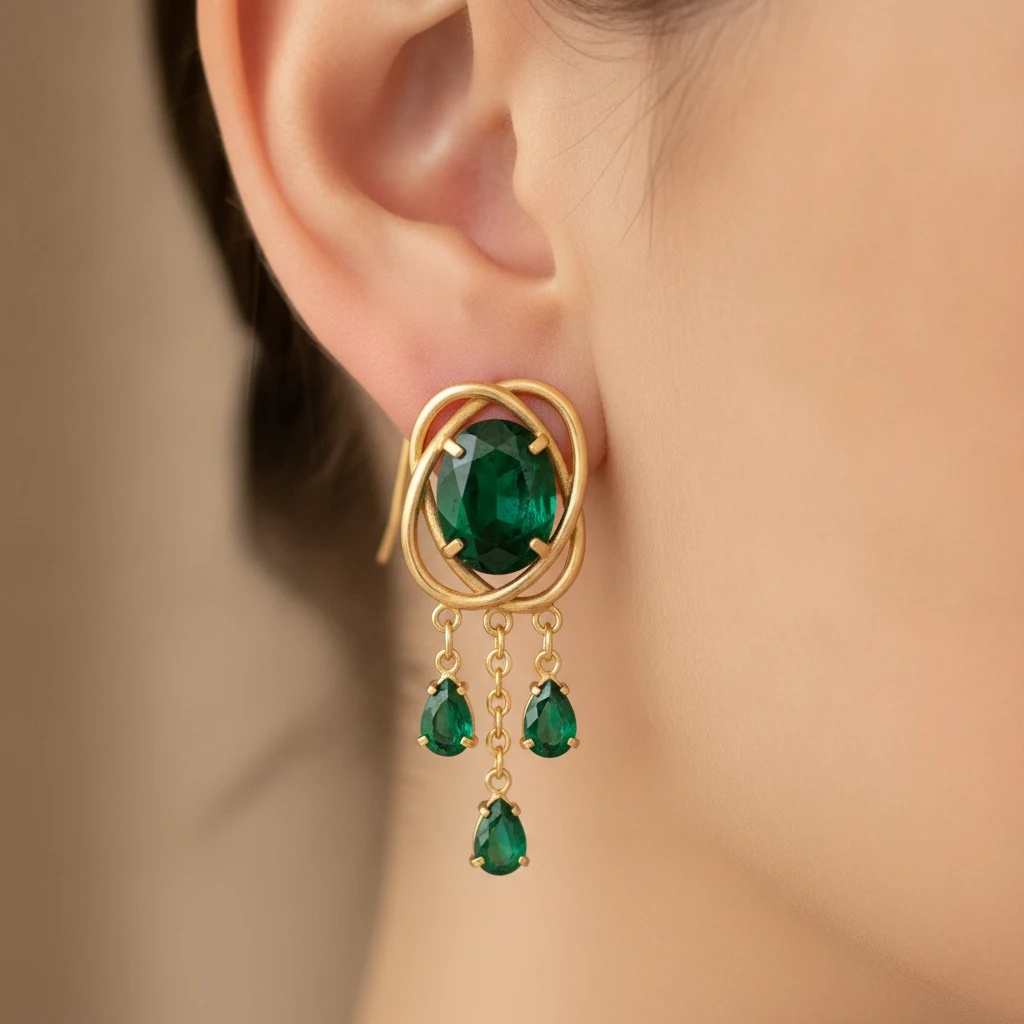
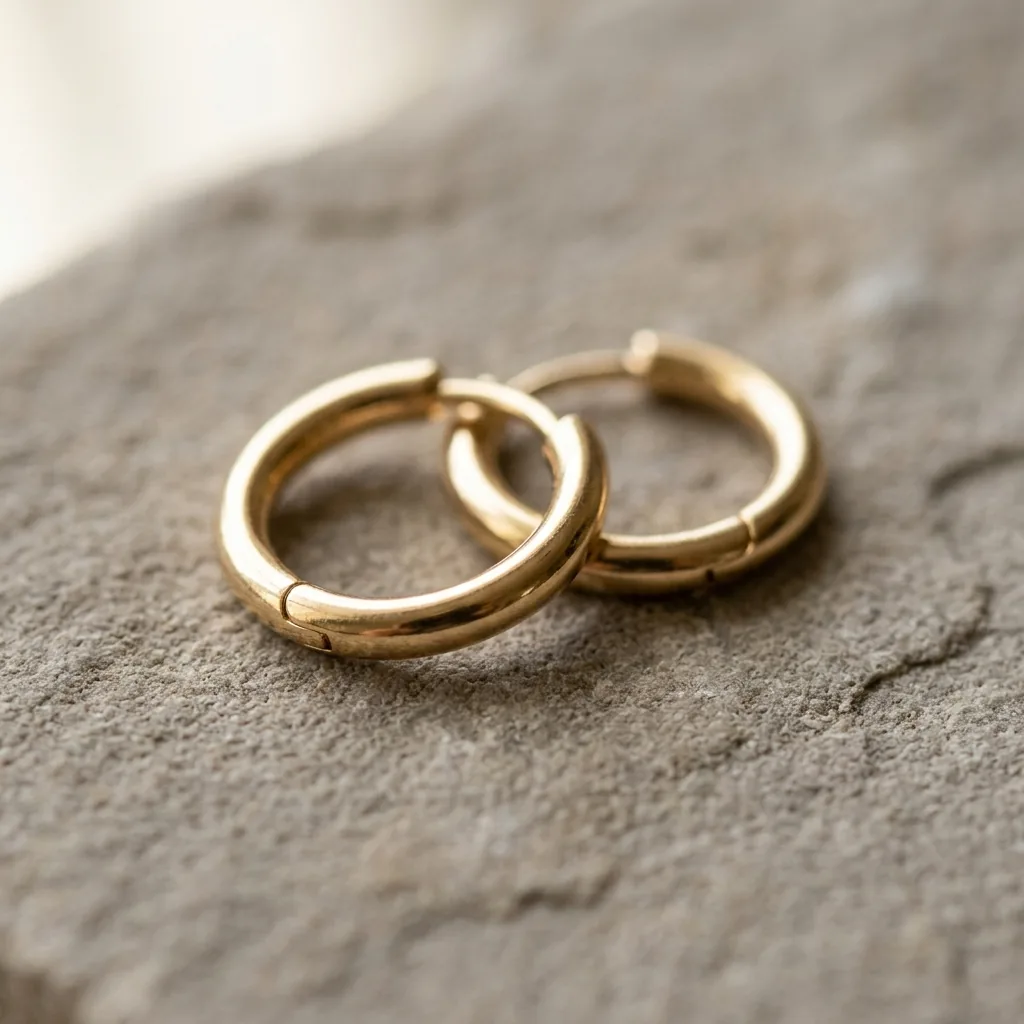
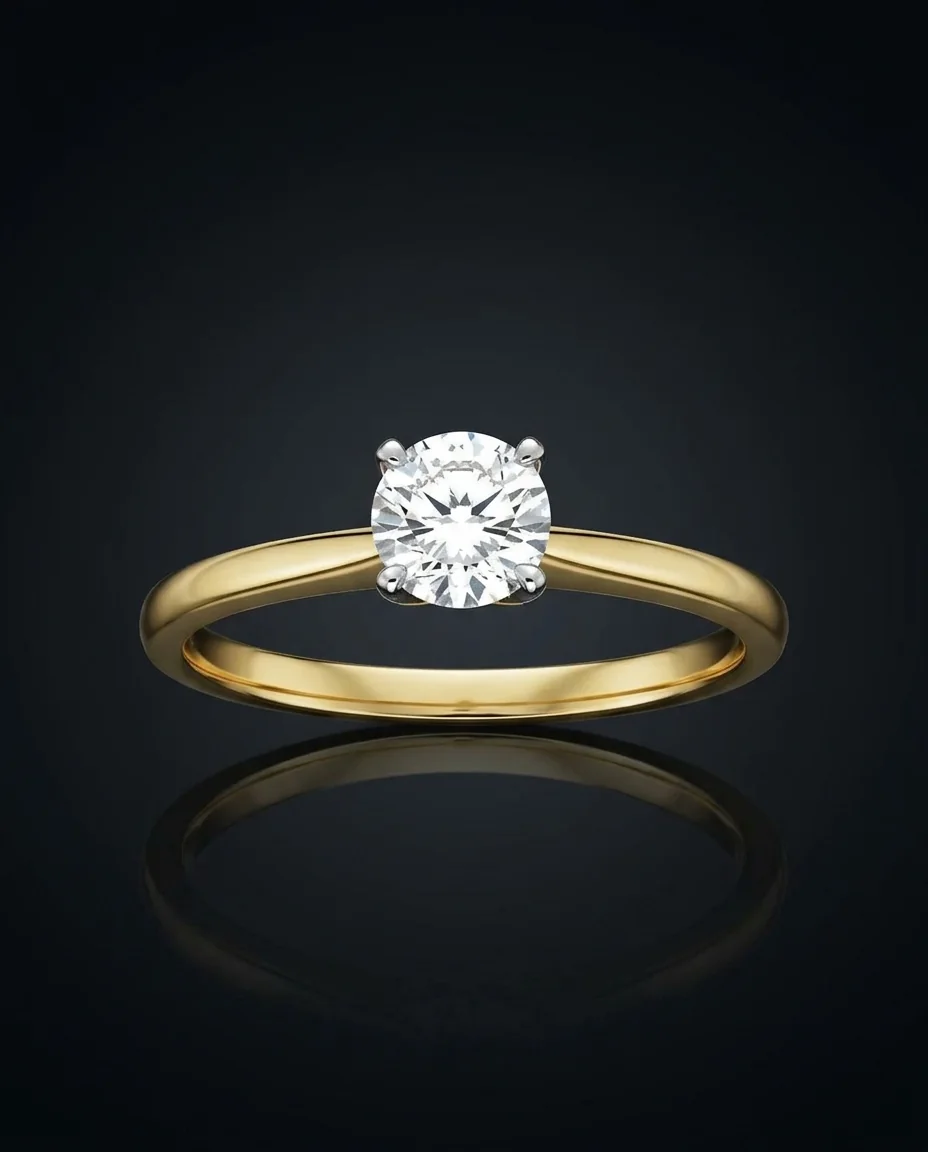
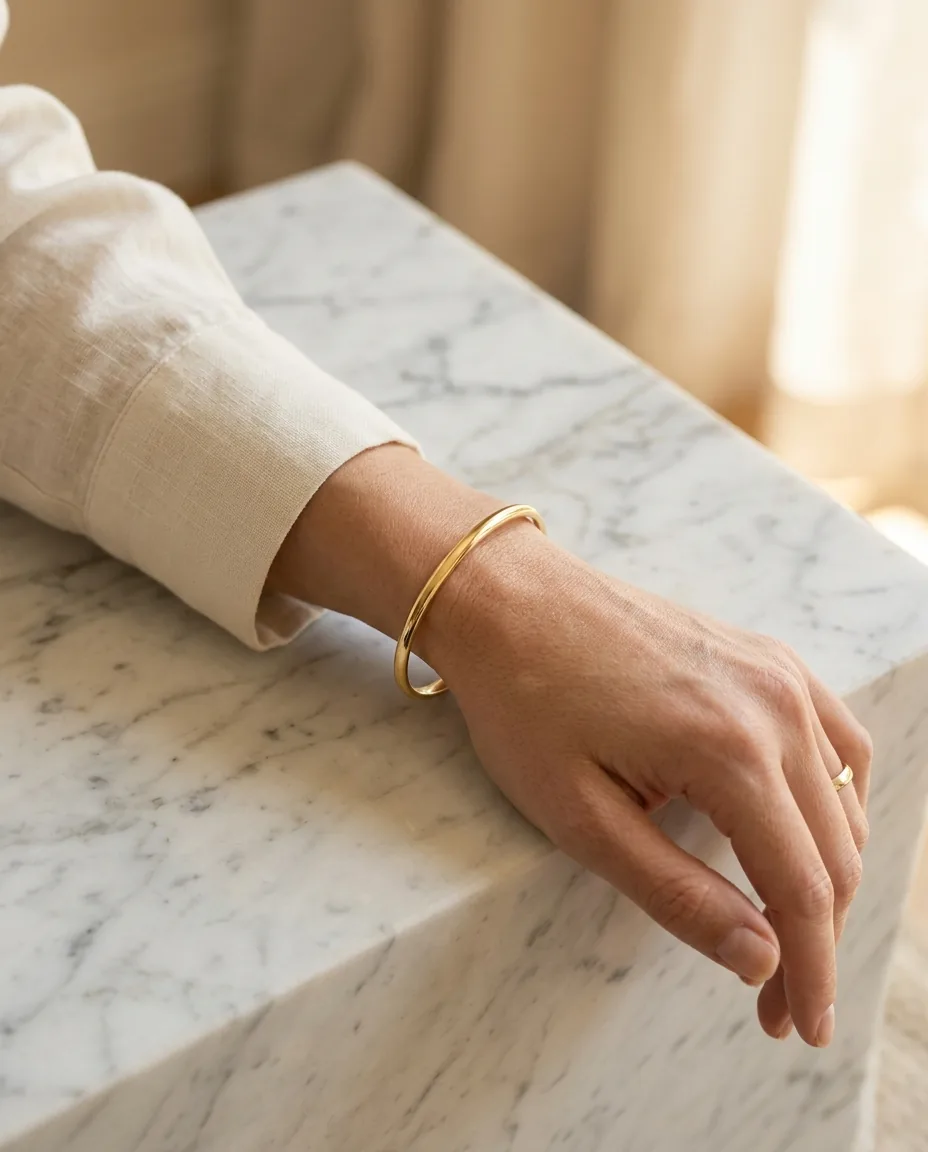
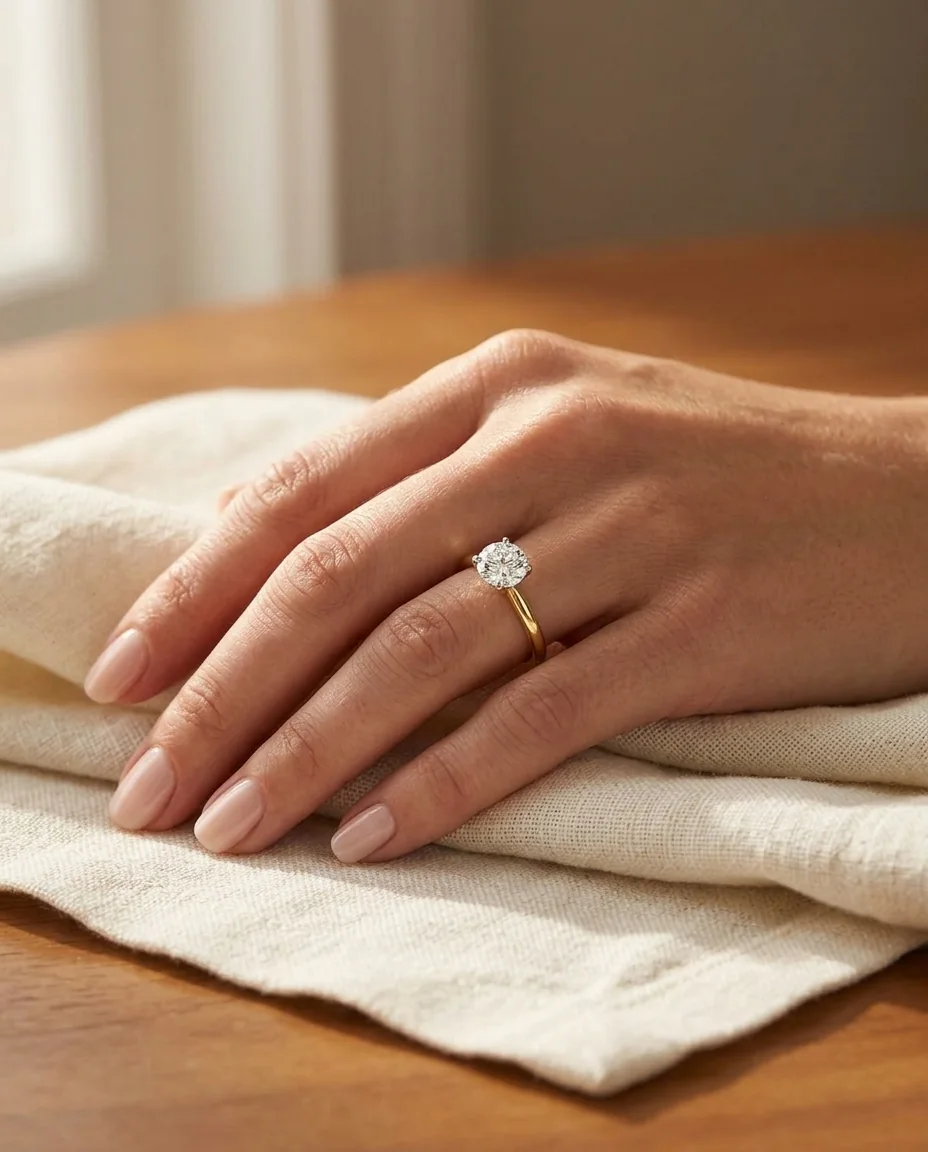
Hand, neck, ear and wrist
Your exact piece is placed on a real body in warm studio light. The stone, the setting and the finish are preserved, so the on-body shot is the same ring the buyer receives.
- Rings on hands, at a natural angle
- Necklaces at the right drop on the neck
- Studs, hoops and drops on the ear
- Bangles and chains on the wrist
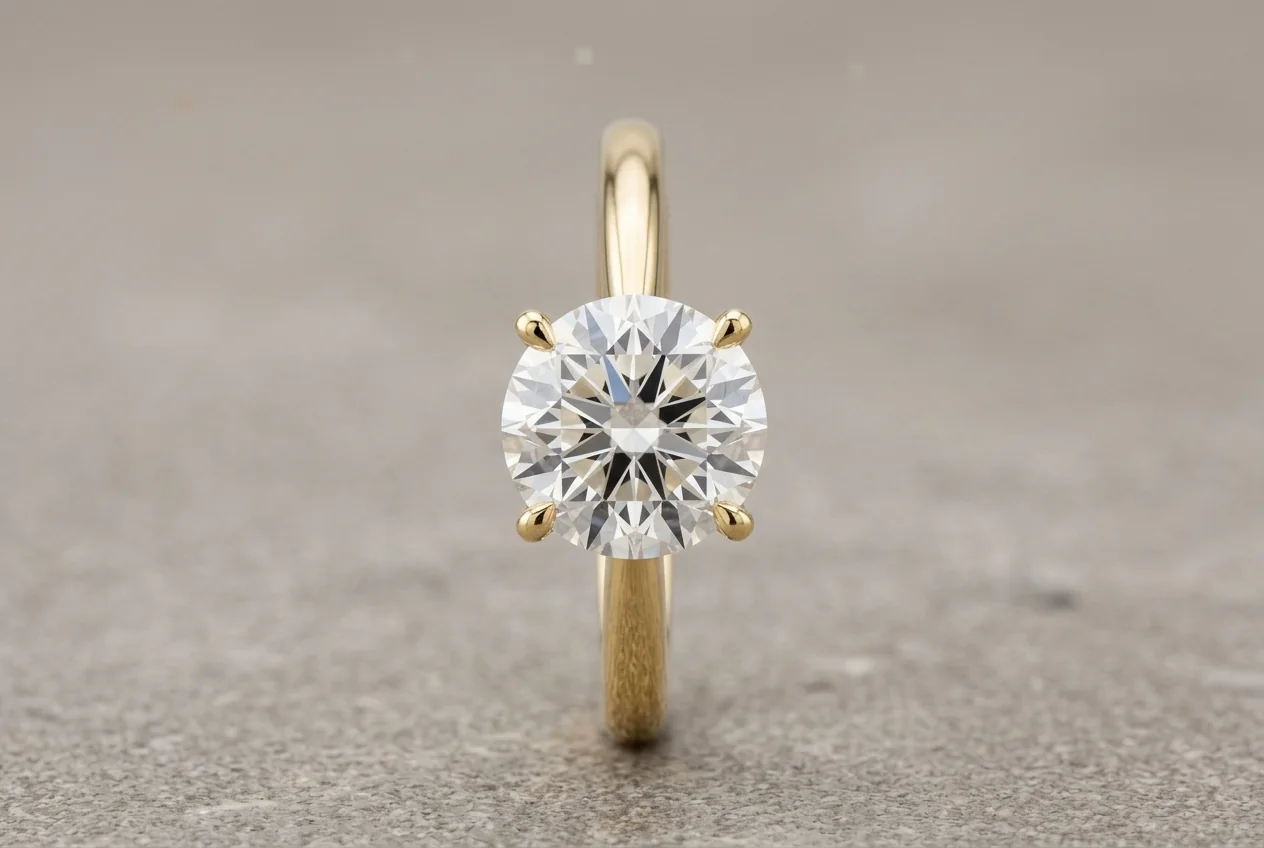
Close enough to see the setting
Macro shots that show the prongs, the bezel, the solder line and the polish. This is the frame that answers the message you would otherwise get asking for more photos.
- Prong, bezel and pave in focus
- Metal finish and colour true to the piece
- Side light so facets and texture read
What a collection costs
What jewelers ask
Will the stone still look like my stone?
Yes. The piece is preserved from your source photo rather than redrawn, so cut, colour and inclusions stay as they are. The lighting around it is what changes.
Can I choose the skin tone in on-body shots?
Yes. You can generate a reusable model with the look you want and use it across the whole collection so your listings look like one brand.
Does it work for silver as well as gold?
Yes, and for platinum, mixed metal, enamel and gemstone pieces. Metal colour comes from your photo.
Are these images allowed on marketplaces?
The clean white shot is your own photograph, cut out and straightened, so it meets the plain background rules. On-body and lifestyle frames are constructed settings and belong in the secondary gallery slots. Lead a listing with the white shot, declare generated imagery where the channel asks for it, and check the policy where you sell.
What about very small pieces?
Small pieces work best when your source photo is sharp and fills the frame. Get close, keep it in focus, and the macro shot has something to work with.
Put this week's piece on a hand
Free credits on every new account. One clear photo of the piece is enough.